


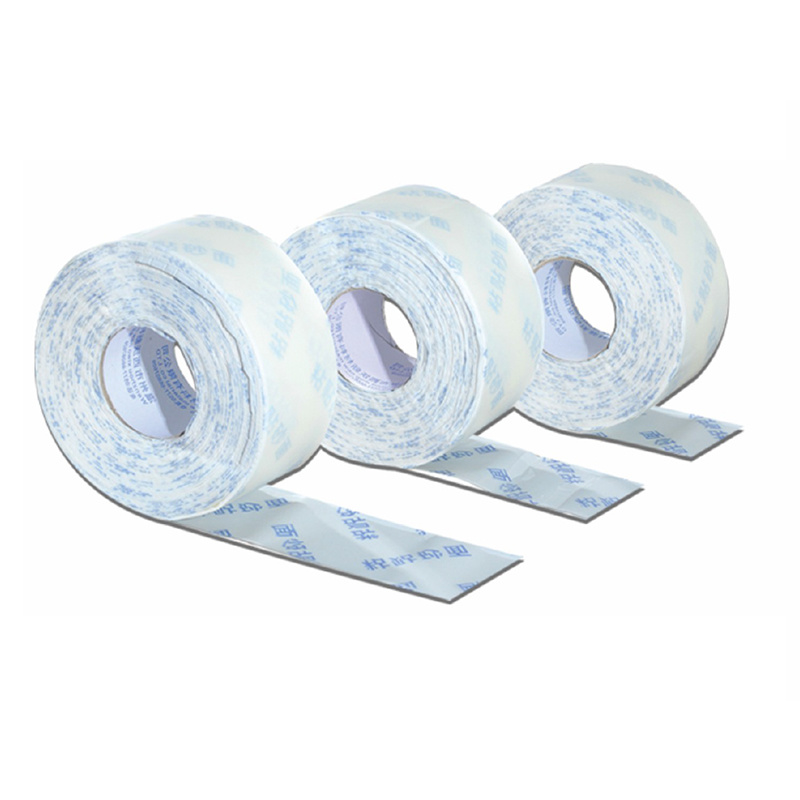
Polymer Self-Adhesive Membrane(TPR) Pre-laid Waterproofing Roll
Mainly made of Thermoplastic Rubber Sheet (TPR Sheet) as the core, the upper surface is coated with a self-adhesive layer bonded with post-pouring concrete, and the upper surface is covered with an anti-adhesive protective layer. In order to meet the requirements of the composite construction of two waterproof materials for the basement floor, a back-adhesive self-adhesive layer is specially added. Before the initial setting of the post-cast concrete, the concrete and the self-adhesive layer of the coiled material slowly cross-link and mesh under the action of gravity, and physical adsorption and mortise-tenon effect are generated during the cement curing process, so that the coiled material and the post-cast concrete are firmly bonded together and are not easy to detach
关键词:
Keyword: Polymer Self-Adhesive Membrane(TPR) Pre-laid Waterproofing Roll

Detail
Product Advantages
- The polymer self-adhesive film layer has excellent adhesive properties, and the is used to form a fully adhesive waterproof structure with the main body of the post-pouring structure, leaving no hidden danger of water channeling;
- The anti-stick layer has a good bonding and adhesion effect with the cast-in-place concrete;
- Sheet can maintain good chemical stability and long service life in common inorganic, organic acid, alkali, salt, organic solvent and microbial environments;
- Strong plastic deformation ability, perfectly showing the application performance of the polymer sheet;
- Micro-design system (technology), balancing the bonding and peeling effects, and realizing the controllability of waterproof defects;
- The polymer sheet is flexible, dense, and has good corrosion resistance, and can be designed with special environmental adaptability. Environmentally friendly design, energy saving and environmental protection;
- Standardized construction process, reliable lap joint and fixation.
Applied range
- Traffic Engineering: Waterproof and anti-seepage projects such as subways, tunnels, caverns, and bridges;
- Construction Engineering: Waterproof projects such as roofs and basements;
- Water Conservancy Engineering: Waterproof and anti-seepage projects such as reservoir dams, cofferdams, canals, and artificial lakes;
- Environmental Protection Engineering: Waterproof and anti-seepage projects such as landfills, sewage treatment plants, metallurgical plants, and chemical plants.
Product Specification
| Project Type | Description |
| Packaging | It features an environmentally friendly design, ennergy saving and environmental protection |
| Roll width(m) | 1.0 |
| Roll thickness(mm) | 0.6, 0.8, 1.0, 1.2, 1.5 |
| Roll length(m) | 20 Above |
| Area(m²) | 20.40 Above |
Technical indicators
NO | ITEM | Index | ||
1 |
Tensile Properties
| Tensile Force (N/50mm) | ≥ | 350 |
Tensile Strength(MPa) | ≥ | 9 | ||
Film Elongation at Break /% | ≥ | 300 | ||
Tensile Phenomenon | No separation between the adhesive layer and the main material | |||
2 | Low Temperature Bending | - | ||
3 | Low Temperature Flexibility | -25℃, no crack | ||
4 | Heat Resistance | 100℃, 2h, no slipping, flowing, dripping | ||
5 | Oil Seepage / Number of Sheets | ≤ | 1 | |
6 | Impermeability (0.3Mpa, 120min) | Impermeable | ||
7 | Elastic recovery rate % | ≥ | 80 | |
8 | Peel Strength with Cast - in - place Concrete (N/mm) | Without Treatment ≥ | 0.8, cohesive failure | |
Product lmage


Construction lmage
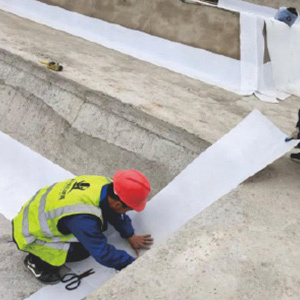
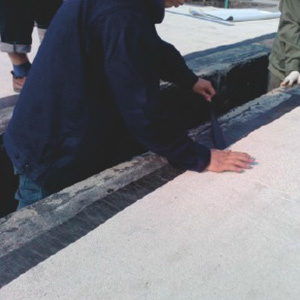
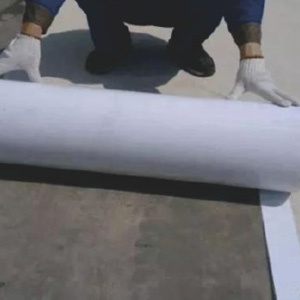
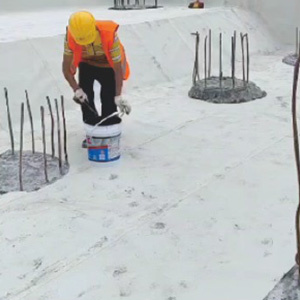
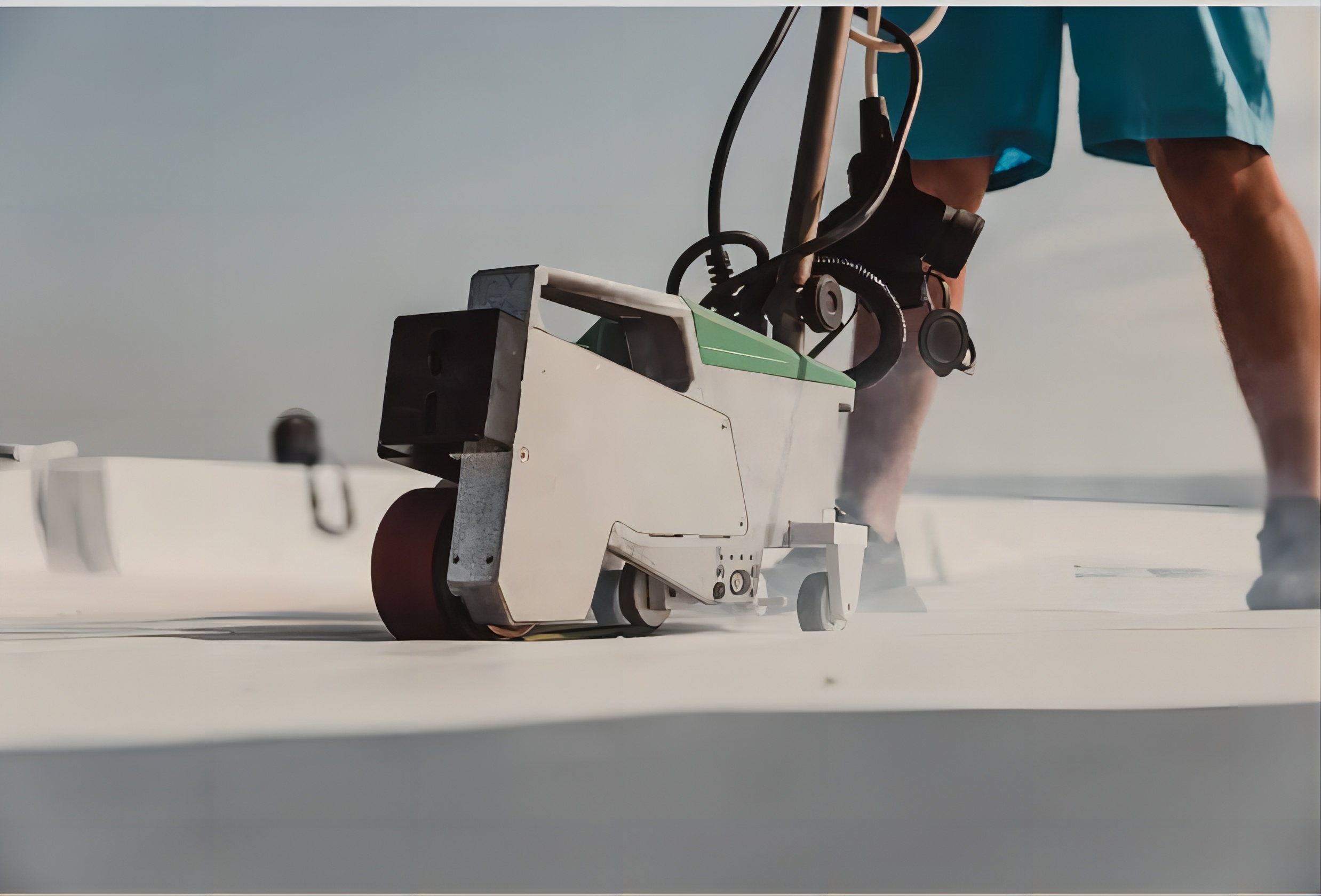
A polymer waterproof membrane is an advanced waterproofing material made from synthetic polymers such as SBS, APP, PVC, TPO, or other modified compounds. It is designed to form a continuous, flexible barrier that effectively prevents water penetration into buildings and infrastructure. Due to its excellent elasticity, tensile strength, and resistance to cracking, polymer waterproof membranes can adapt to structural movement caused by temperature changes, settlement, or vibration. They are widely used in roofing systems, basements, tunnels, bridges, bathrooms, and underground structures, providing long-lasting protection against moisture and water damage.
Compared with traditional waterproofing materials, polymer waterproof membranes offer superior durability and performance. They exhibit strong resistance to UV radiation, chemicals, aging, and extreme weather conditions, ensuring stable waterproofing performance over long service periods. Installation methods include self-adhesive application, heat welding, or mechanical fixing, allowing flexibility to suit different construction requirements. With growing emphasis on building quality and sustainability, polymer waterproof membranes have become a preferred solution in modern construction projects, helping improve structural safety, reduce maintenance costs, and extend the lifespan of buildings.
Related products



ONLINE MESSAGE
*Note: Please make sure that the information is filled in accurately and the communication is kept smooth. We will contact you as soon as possible